At Checkmate Fire, we believe strong outcomes come from combining technical expertise with a clear focus on residents and exceeding customer expectations. Our work in social housing shows that when people are respected, informed, and listened to, fire safety programmes run more smoothly and deliver lasting results.
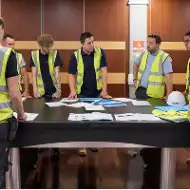
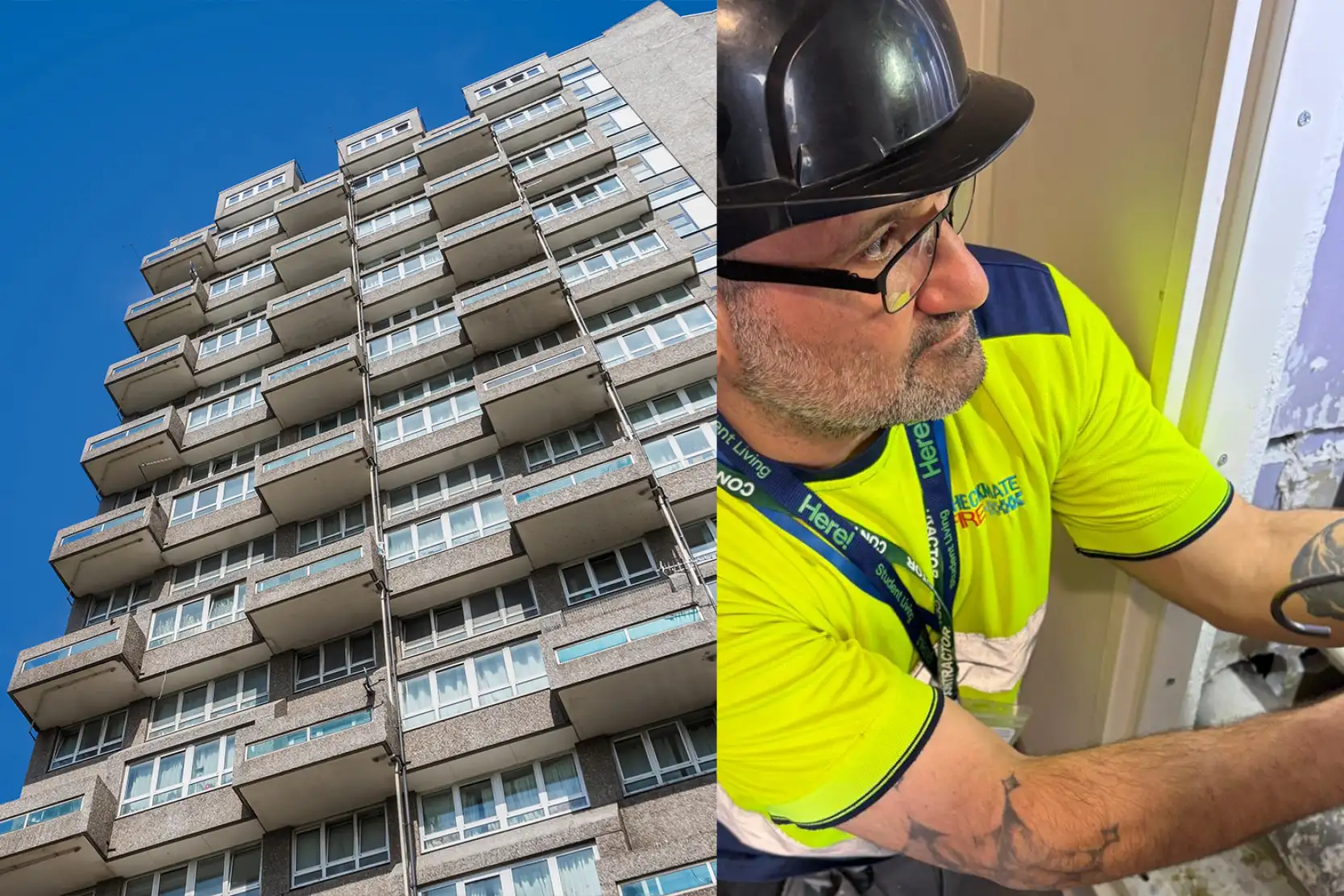
Vulnerable residents, difficult access routes and works requiring minimal disruption create complex challenges for occupied buildings so we ensure our operatives are briefed on the scope of works, resident needs, and any known concerns. This allows issues to be resolved first time and reduces unnecessary repeat visits.
Communication is central to our approach. We take a patient and consistent approach when working with residents, prioritising calm and respectful engagement at every stage. We make every effort to agree appointments times directly with residents and explain the work as fully as possible to confirm understanding and clarity. Time is taken at the end of each visit to ensure all parties are clear on what has been completed.
This is especially critical in high-risk situations, where trust cannot be rushed or assumed. By taking the time to listen, explain the purpose of the work, and address concerns clearly, we can reduce tension and build understanding. This approach helps us secure access safely and ensures essential fire safety works can be completed.
Resident feedback is vitally important for us to continually improve our service and to shape how we operate for future contracts. We record comments, satisfaction data, and quality reviews to and seek to implement changes such as improved dust control, better coordination of follow-on works, and clearer on-site communication to ensure higher satisfaction and better efficiency moving forward.
We also invest heavily in our people, providing operatives with training in communication, vulnerability awareness, and safe working practices alongside technical standards.
Our approach delivers confidence and compliance, reassuring residents whilst raising the standards for best practice in passive fire protection.